Comprehensive Water Damage Services: Safeguard Your Property From Future Issues
Extensive moisture damage services play an essential role in protecting properties from ongoing risks. They comprise routine maintenance and inspections of plumbing and roofing systems. Timely recognition of likely problems can prevent significant damage. Furthermore, advanced techniques like water extraction and mold remediation resolve present issues effectively. However, the most effective strategies also include preventative steps. Grasping these aspects can be critical for homeowners looking to protect their properties and guarantee long-term safety. What should they focus on next?
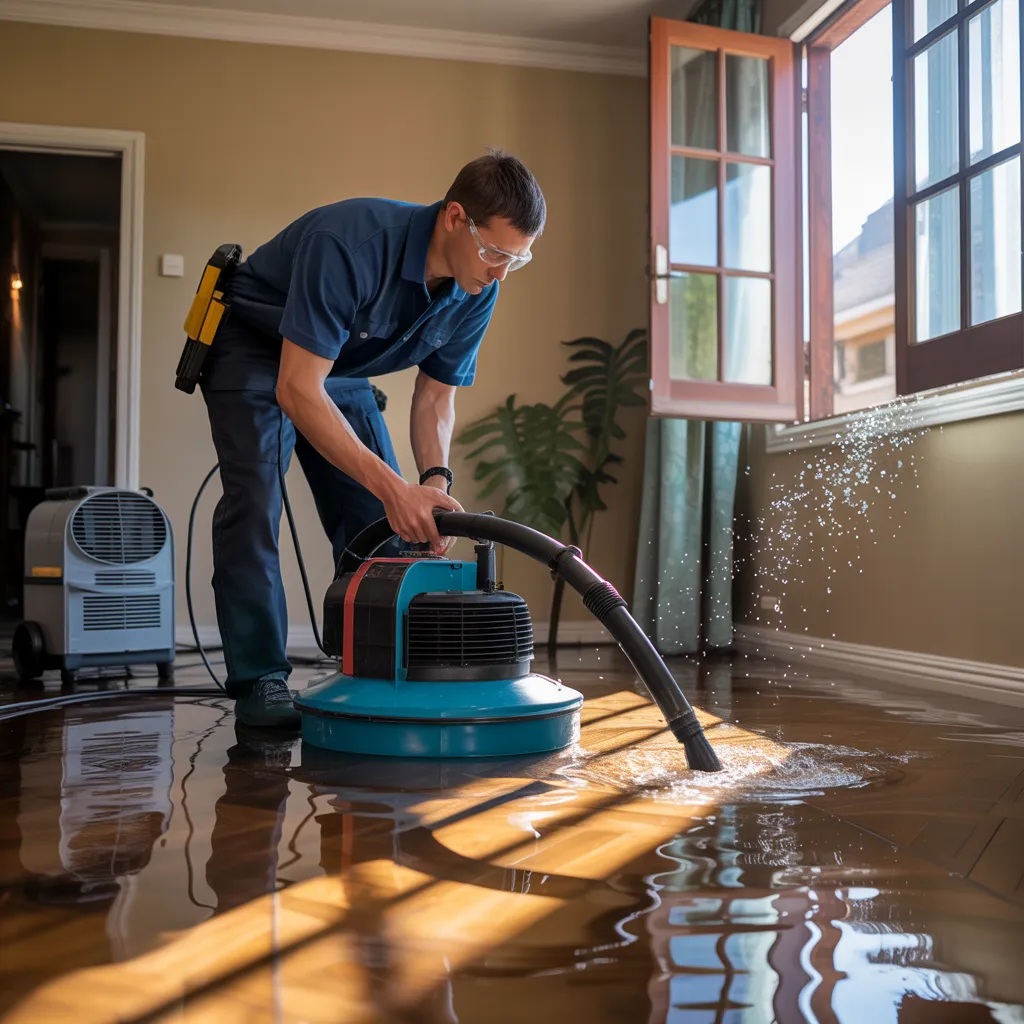
Why You Should Act Fast on Water Damage
Reacting promptly to water damage proves vital. Avoiding quick response can produce grave complications, including structural damage, mold growth, and mounting repair costs. Water can embed in walls, flooring, and insulation, fostering a perfect atmosphere for mold spores to develop within 24 to 48 hours. This not only endangers the property but also creates health concerns to inhabitants.
Furthermore, the extended the water stays, the more extensive the damage becomes, possibly undermining the structural soundness of the building. Immediate intervention assists reduce these consequences, preserving both the building's worth and the security of its occupants.
Moreover, prompt response can facilitate the healing timeline, enabling homeowners to return to normalcy quicker. Engaging expert remediation teams immediately can ensure comprehensive assessments and effective remediation, avoiding additional problems in the future. Emphasizing quick action is vital for safeguarding both assets and wellbeing.

What Triggers Water Damage and How to Detect It Quickly?
Water damage could come from various sources, making early spotting vital for prevention. Common causes include plumbing leaks, roof leaks, and natural disasters such as heavy rain or floods. Aging infrastructure, such as worn-out pipes or compromised roofing materials, can also contribute greatly to water intrusion.
Homeowners should watch for evidence of water damage, which may include marks on walls or ceilings, a musty odor, and fungal growth. Moreover, peeling paint and warped flooring are indicators that water content may be present. Regular inspections of plumbing systems and roofing can help catch issues before they intensify.
Prompt discovery is important; tackling possible causes of water damage swiftly can minimize costly repairs and preserve the structural soundness of the property. By understanding the causes and identifying the signs, property owners can take preventive action to shield their homes against water damage problems.
Necessary Services for Successful Water Damage Rehabilitation
When a building faces water damage, immediate and professional restoration services are vital to achieve effective recovery. Key services include water extraction, which consists of removing standing water to prevent any further damage. Next, thorough drying and dehumidification processes are important to remove moisture from structures and materials. Restoration professionals assess the damage extent and make decisions on necessary repairs, whether it involves replacing flooring, drywall, or insulation.
Additionally, the process of mold removal is important, as mold can develop rapidly in damp conditions, resulting in health risks and further compromising the property. Advanced approaches, such as thermal imaging and moisture mapping, enable identify hidden water sources and reduce recurrence. Finally, deodorization and sanitization services guarantee that any lingering odors and contaminants are addressed, making the property to a safe and livable condition. Together, these essential services create a thorough approach to efficient water damage restoration, safeguarding properties from long-term issues.
Instructions to Reduce Upcoming Water Damage
Effective water damage restoration highlights the importance of preventative measures to avert future incidents. Property owners should frequently inspect their roof structures, gutters, and downspouts to ensure they are clear of debris and working properly. useful resource This prevents water accumulation that can result in leaks and foundation damage. Additionally, maintaining plumbing systems by looking for leaks and ensuring proper drainage can greatly lower the chance of water damage.
Installing pumping devices in underground spaces and choosing water-resistant materials during renovations can also offer an additional measure of safety. Moreover, homeowners should consider landscaping adjustments, such as reshaping soil away from the base, to guide water flow correctly. Regular maintenance and prompt maintenance are essential for defending residences against potential water damage, thereby sustaining their structural soundness and appeal. Taking these steps can help create a resilient environment that minimizes future risks associated with water intrusion.
How to Locate the Best Water Damage Service Provider
What approaches can homeowners use to guarantee they select the most suitable water damage contractor? First, they should examine potential companies thoroughly, verifying certifications, licenses, and insurance. A reputable provider should have professional certifications, such as those from the Institute of Inspection, Cleaning and Restoration Certification (IICRC).
Then, studying patron feedback and testimonies can supply insights into the company's reliability and service quality. Property owners should also inquire into the range of services offered, ensuring they incorporate everything from initial evaluation to complete restoration.
Additionally, securing several quotes can assist with evaluating expenses and grasping the range of services offered. Finally, reviewing the provider's response time is essential; a rapid response can reduce additional damage. By considering these factors, homeowners can determine the best course of action, ensuring their home gets the highest quality attention in times of crisis.
Frequently Asked Questions
What Is the Typical Price of Water Damage Remediation?
Water damage restoration costs usually fall from $1,000 to $5,000, depending on the extent of the damage, location, and required services. Additional factors, such as materials and labor, can influence the final price significantly.
Will My Insurance Pay for Water Damage Repairs?
Insurance protection for water damage repairs often is based on the specific coverage terms. Generally, if the damage results from a protected incident, such as a leaking pipe, insurers may deliver economic support for repair bills.
What Timeframe Should You Anticipate for Water Damage Restoration?
Water damage restoration generally requires one to five days, determined by the severity of damage, the materials that are affected, and the drying process needed. Interruptions can develop if extensive repairs or mold treatment are needed.
Can I Manage Water Damage Removal Without Outside Assistance?
Managing water damage cleanup on your own is doable, but it generally requires specialized knowledge and equipment. Inadequate cleaning can cause mold growth and structural issues, making professional assistance a more secure and better alternative.
Which Health Threats Relate to Water Damage?
Water damage results in various health risks, including mold growth, which can trigger respiratory issues, allergies, and infections. Contaminated water may also contain bacteria and viruses, leading to gastrointestinal illnesses and other serious health complications.