Thorough Water Damage Services: Preserve Your Property From Forthcoming Issues
Extensive aquatic damage services play an vital role in shielding properties from ongoing risks. They encompass regular inspections and maintenance of plumbing and roofing systems. Initial detection of potential issues can prevent substantial destruction. Furthermore, advanced techniques like water removal and mold abatement address existing issues effectively. However, the most optimal strategies also include preventive measures. Understanding these aspects can be critical for homeowners looking to protect their investments and guarantee long-term safety. What should they focus on next?
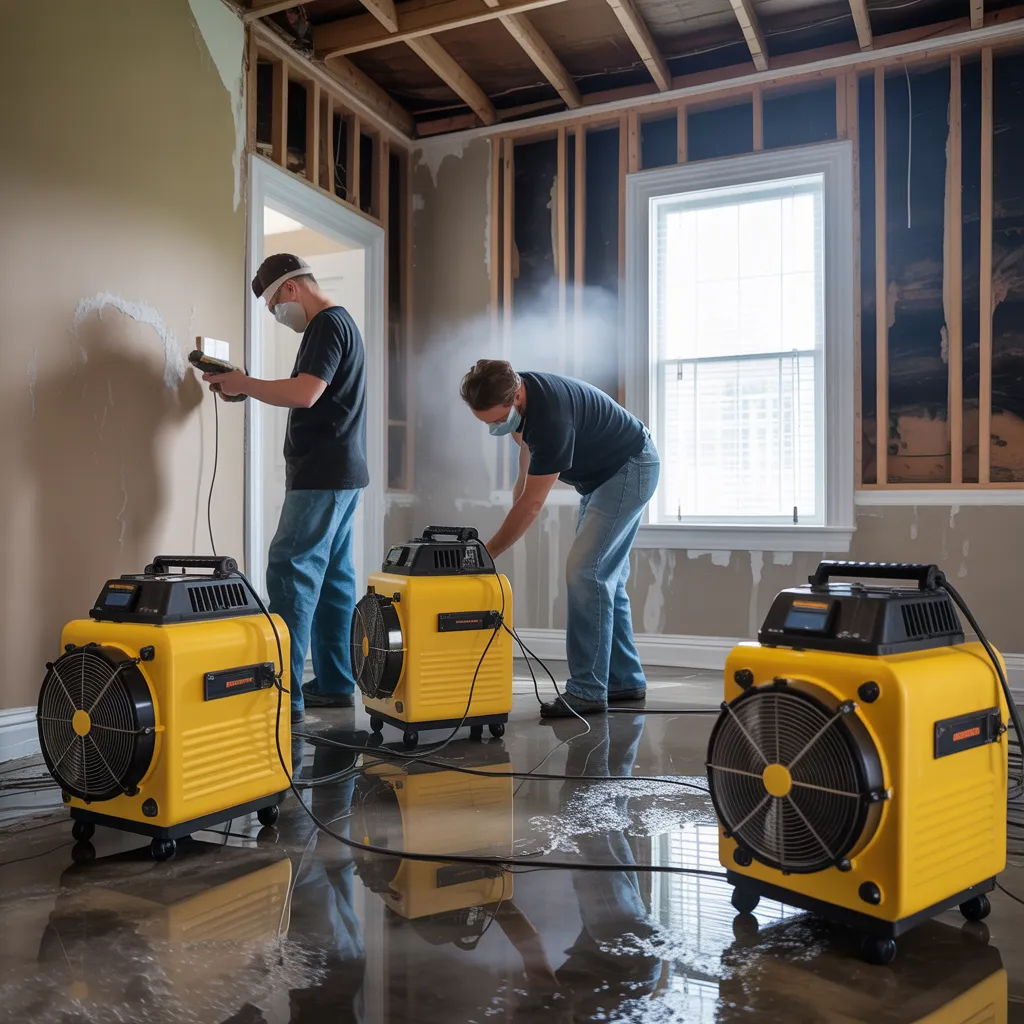
Why It's Important to Act Swiftly to Water Damage
Tackling water damage quickly is necessary. Hesitating on response can contribute to acute complications, like structural damage, mold growth, and spiraling restoration expenses. Water can absorb into walls, flooring, and insulation, providing a prime environment for mold spores to flourish within 24 to 48 hours. This not only risks the property but also creates health hazards to inhabitants.
Additionally, the longer the water remains present, the greater extent of the injury takes place, possibly jeopardizing the integrity of the building. Immediate action taken helps mitigate these outcomes, safeguarding both the property's value and the safety of its people living within.
Moreover, swift response can expedite the recovery process, allowing homeowners to return to normalcy quicker. Hiring professional water damage services promptly can ensure thorough evaluations and effective remediation, avoiding further issues in the future. Emphasizing quick action is vital for safeguarding both assets and wellbeing.

What Leads to Water Damage and How to Detect It In advance?
Water damage could come from various sources, making early identification vital for prevention. Common causes include plumbing leaks, roof leaks, and natural disasters such as heavy rain or floods. Aging infrastructure, such as worn-out pipes or compromised roofing materials, can also contribute greatly to water intrusion.
Home owners ought to be vigilant about detecting signs of water damage, which may include stains on walls or ceilings, a musty odor, and mold development. In addition, peeling paint and warped flooring are indicators that moisture may be existing. Consistent inspections of plumbing systems and roofing can help prevent issues before they escalate.
Timely detection is essential; tackling potential sources of water damage quickly can reduce expensive repairs and preserve the integrity of the property. By comprehending the causes and recognizing the signs, property owners can take preventive steps to shield their homes against water damage problems.
Necessary Solutions for Efficient Water Damage Rehabilitation
When a building suffers from water damage, prompt and professional restoration services are important for efficient recovery. Core services include water extraction, which means taking out standing water to prevent further damage. Subsequently, comprehensive drying and dehumidification processes are needed to remove moisture from buildings and materials. Restoration specialists evaluate the scope of damage and determine necessary repairs, whether that involves replacing flooring, drywall, or insulation.
Additionally, mold remediation is necessary, as mold can form rapidly in wet conditions, causing health risks and further weakening the property. Advanced techniques, such as thermal imaging and moisture mapping, aid identify hidden water sources and stop recurrence. Finally, deodorization and sanitization services guarantee that any lingering odors and contaminants are taken care of, restoring the property to a safe and livable condition. Together, these key services create a detailed approach to successful water damage restoration, safeguarding properties from long-term issues.
How to prevent Upcoming Water Damage
Effective water damage recovery emphasizes the significance of proactive measures to prevent future incidents. Property owners should frequently check their roofs, rain gutters, and drainage pipes to confirm they are free from blockages and operating correctly. This stops water accumulation that can cause leaks and structural damage. Furthermore, preserving plumbing systems by inspecting for water loss and confirming proper water flow can significantly decrease the risk of water damage.
Installing sump pumps in cellars and applying water-resistant materials during improvements can provide an added layer of protection. Moreover, homeowners should consider landscaping adjustments, such as shaping earth away from the foundation, to direct water runoff effectively. Regular maintenance and on-time servicing are essential for safeguarding properties against potential water damage, thereby keeping their stability and price. Taking these steps can help create a resilient environment that lessens upcoming threats from water intrusion.
A Guide to Finding the Most Suitable Water Damage Service Professional
How might property owners ensure they choose the most suitable water damage contractor? First, they should research potential companies thoroughly, checking for certifications, licenses, and insurance. A reputable provider should maintain professional-grade certifications, such as those from the Institute of Inspection, Cleaning and Restoration Certification (IICRC).
Subsequently, examining client testimonials and reviews can deliver perspective on the company's reliability and service quality. Property owners should also ask about the scope of services available, verifying they cover everything from first evaluation to complete restoration.
Additionally, securing several quotes can assist with evaluating costs and grasping the range of services offered. Finally, evaluating the service provider's reaction speed is vital; a quick reaction can reduce harm. By considering these factors, property owners can determine the best course of action, ensuring their property receives the highest quality attention in times of crisis.
Regularly Sought Information
What Cost Should You Anticipate for Water-Related Damage Reconstruction?
The expense of fixing water damage usually ranges between $1,000 to $5,000, depending on the extent of damage, location, and required work. Additional factors, including supplies and workforce, may alter the final amount significantly.
Will My Insurance Pay for Water Damage Restoration?
Insurance for water damage fixes often copyrights on the details of your policy. Generally, if the damage comes from a covered event, such as a burst pipe, insurers may extend financial assistance for restoration costs.
What is the Timeline for Water Damage Recovery?
Water damage repair typically requires one to five days, based on the extent of the damage, the affected materials, and the required drying process. Postponements can happen if extensive repairs or mold remediation are needed.
Is It Possible for Me to Deal with Water Damage Cleanup By Myself?
Managing water damage cleanup independently is doable, but it generally requires specialized knowledge and equipment. Poor remediation can cause mold growth and structural issues, turning professional assistance a safer and more effective solution.
What Health Risks Are Related to Water Damage?
Water damage creates several health risks, including mold growth, which can induce respiratory issues, allergies, and infections. Contaminated water may also support bacteria and viruses, contributing essential guide to gastrointestinal illnesses and other serious health complications.